|
Getting your Trinity Audio player ready...
|
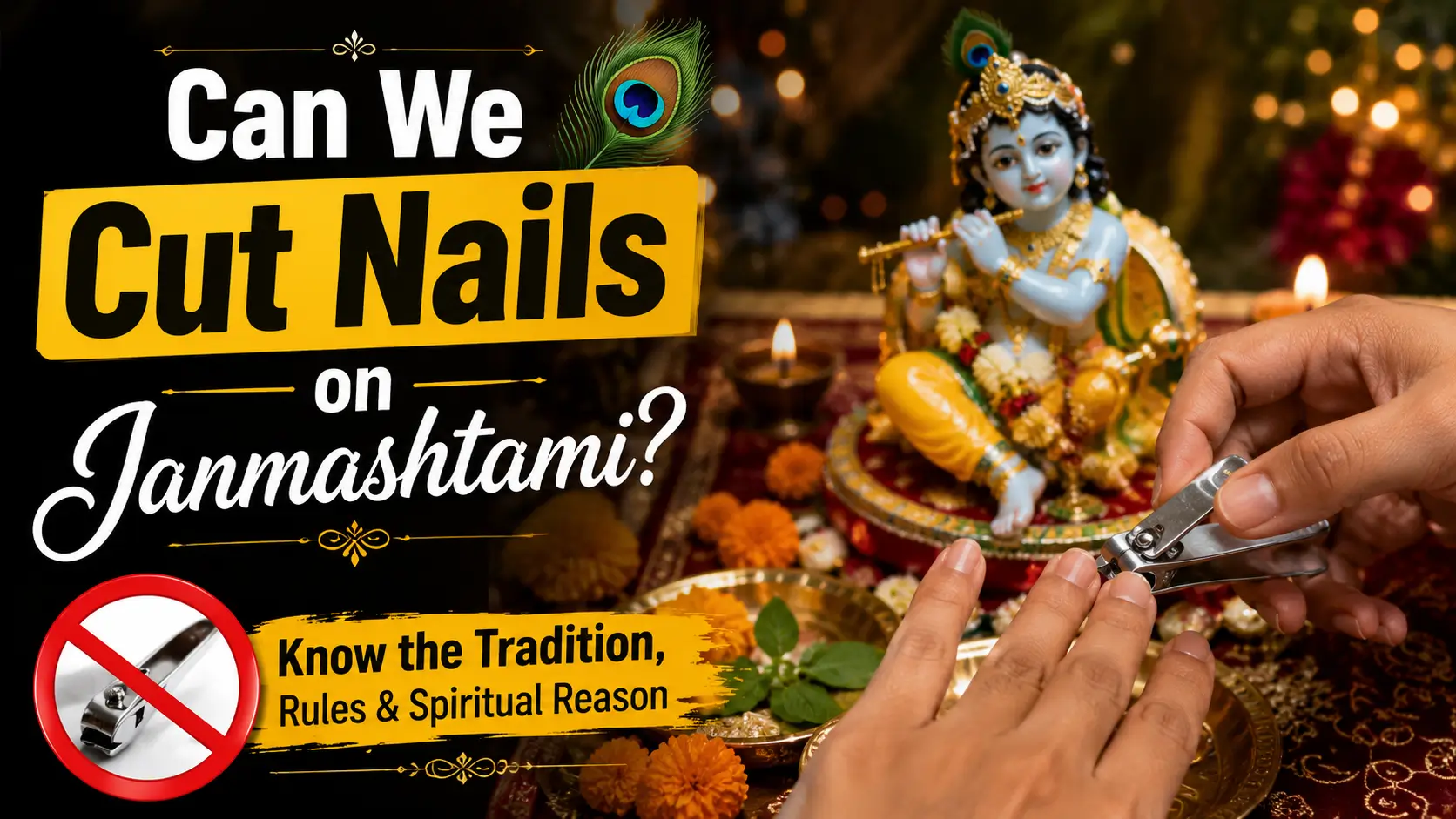
Janmashtami — the divine birthday of Lord Krishna — is one of the most joyous and spiritually charged festivals in India. Homes are decorated with flowers, temples echo with bhajans, and devotees observe fasts with deep devotion. Amid these rituals, one question often arises: Can we cut nails on Janmashtami?
As a festival expert who has spent years studying Hindu traditions and their symbolic meanings, I’ve seen how small acts — like cutting nails, washing hair, or wearing new clothes — carry deep cultural significance on auspicious days. Janmashtami isn’t just a celebration; it’s a day of purity, restraint, and devotion. Let’s explore why nail cutting is often avoided and what it truly represents.
The Spiritual Essence of Janmashtami
Janmashtami marks the birth of Lord Krishna, the eighth avatar of Vishnu, who symbolizes divine love, wisdom, and dharma. Devotees observe fasts, chant mantras, and stay awake till midnight — the believed hour of Krishna’s birth.
The day is considered highly auspicious, and every act performed is meant to reflect purity and reverence. Activities that involve discarding parts of the body — like hair or nails — are traditionally seen as inauspicious on such sacred occasions.
Why Cutting Nails Is Avoided on Janmashtami

| Reason | Explanation |
|---|---|
| Symbol of Purity | Nails are considered waste material; removing them on a holy day is viewed as discarding purity. |
| Focus on Devotion | The day is meant for prayer and fasting, not personal grooming or vanity. |
| Traditional Belief | Ancient scriptures associate nail cutting with mundane activities, which should be avoided during spiritual observances. |
| Energy Preservation | Some traditions believe that cutting nails or hair disturbs the body’s energy flow during fasting. |
Cultural Context Across India
- North India: Families avoid cutting nails, hair, or shaving on Janmashtami. The focus remains on fasting and puja.
- South India: Devotees prepare sattvik food and decorate Krishna idols; grooming activities are postponed until the next day.
- Maharashtra & Gujarat: Nail cutting is avoided, and devotees engage in bhajans and Dahi Handi celebrations instead.
These customs vary slightly by region, but the underlying principle remains the same — maintaining sanctity and devotion throughout the day.
Read more: Significance of Sri Krishna Janmashtami — Spiritual & Cultural Dimensions
The Symbolism Behind the Practice
In Hindu philosophy, nails and hair are considered dead cells — remnants of the body that no longer hold life energy. Cutting them on a day dedicated to divine birth is seen as disrespectful to the sanctity of life and creation.
Moreover, Janmashtami is a day of spiritual renewal, not physical alteration. Devotees cleanse their minds through prayer, not their bodies through grooming.
Modern Perspective: Tradition Meets Practicality
| Aspect | Traditional View | Modern View |
|---|---|---|
| Spiritual Purity | Avoid nail cutting to maintain sanctity. | Respect the sentiment; postpone grooming till next day. |
| Health & Hygiene | Nails can be trimmed before the festival. | Hygiene is important, but timing matters. |
| Cultural Respect | Follow family customs. | Adapt respectfully without dismissing beliefs. |
In today’s world, many people balance tradition with practicality. If you must trim nails for hygiene, do it before the fasting begins or after midnight, once the puja concludes.
Rituals to Observe Instead
- Fasting and Meditation: Focus on spiritual cleansing rather than physical grooming.
- Chanting Krishna Mantras: Recite “Om Namo Bhagavate Vasudevaya” for inner peace.
- Decorating the Puja Area: Use flowers, diyas, and rangoli to honor Lord Krishna.
- Offering Sattvik Food: Prepare dishes like panjiri, makhan-mishri, and sabudana khichdi.
These acts embody purity and devotion — the true essence of Janmashtami.
Expert Insight
In my home, Janmashtami begins with cleaning the altar, lighting lamps, and preparing makhan-mishri for offering. My grandmother always reminded us not to cut nails or hair that day — “It’s Krishna’s birthday, not ours,” she’d say with a smile.
Over the years, I’ve realized that these customs aren’t about superstition; they’re about mindfulness. They remind us to pause, reflect, and honor life’s sacred rhythm.
Frequently Asked Question (FAQs)
Que 1. Is cutting nails on Janmashtami considered sinful?
Ans: Not sinful, but traditionally discouraged as it’s seen as disrespectful to the day’s sanctity.
Que 2. Can I cut nails before Janmashtami?
Ans: Yes, ideally a day before the festival to maintain hygiene and respect tradition.
Que 3. What other activities should be avoided?
Ans: Avoid haircuts, shaving, and wearing black clothes. Focus on prayer and fasting.
Que 4. Can children cut nails on Janmashtami?
Ans: It’s best to follow family customs; explain the cultural meaning behind the practice.
Que 5. Is it okay to cut nails after midnight?
Ans: Yes, once the puja and fasting conclude, it’s considered acceptable.
Conclusion
So, can we cut nails on Janmashtami? Traditionally, no. The day is meant for spiritual purity, not physical grooming. Cutting nails is viewed as discarding waste on a divine occasion — something best avoided out of respect.
However, the essence lies not in strict rules but in intent and devotion. Observing Janmashtami with mindfulness, fasting, and prayer honors Lord Krishna far more than any ritual detail.
In the end, festivals like Janmashtami remind us that purity isn’t about appearance — it’s about the heart.

I am Disha Sharma the founder and writer of Great Indian Festival with a passion for storytelling and a dedication to sharing knowledge, I create content that informs, inspires, and connects with readers. My writing reflects creativity, clarity, and a commitment to delivering valuable insights across topics that matter.