
|
Getting your Trinity Audio player ready...
|
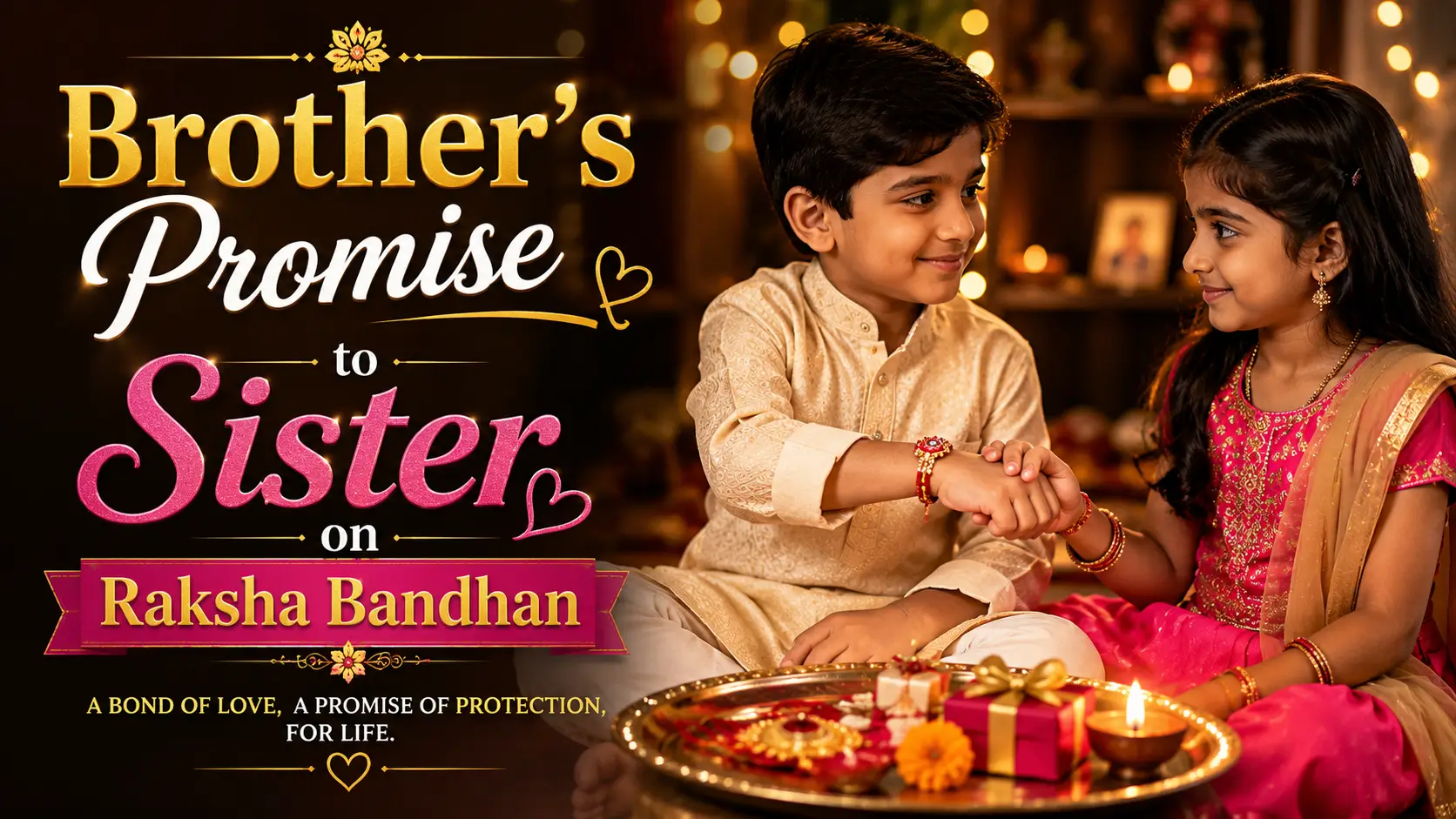
Raksha Bandhan is one of the most cherished festivals in India, celebrated with devotion and affection between brothers and sisters. While the ritual of tying a rakhi is well-known, the deeper meaning lies in the brother promise to sister on Raksha Bandhan. This promise is not merely symbolic; it is rooted in dharma, protection, and lifelong responsibility. It reflects values of trust, care, and unity that extend beyond family into society.
As a festival expert, I’ve seen how this promise is narrated in homes, temples, and cultural gatherings, reminding us that Raksha Bandhan is not just about gifts but about sacred vows.
Religious and Cultural Roots of the Promise
Mythological Foundation
- In the Bhavishya Purana, Indra’s wife Śacī tied a protective thread on his wrist before battle, symbolizing divine safeguarding.
- Krishna’s vow to Draupadi after she tied a strip of cloth to his bleeding finger is another example of lifelong protection.
Symbolism of the Promise
- The rakhi represents a talisman of protection.
- The brother’s promise embodies dharma — a vow to safeguard his sister’s dignity, happiness, and well-being.
Also Read: Is Raksha Bandhan Only for Brothers? — Tradition & Modern Meaning
Dimensions of the Brother’s Promise
Protection
- The brother pledges to protect his sister from harm, both physical and emotional.
- This protection extends beyond immediate family, symbolizing societal safeguarding of women.
Support
- The promise includes emotional and financial support during times of need.
- Brothers often reaffirm their role as pillars of strength in their sisters’ lives.
Respect
- The vow is not only about protection but also about respecting the sister’s individuality and choices.
- It reflects equality and dignity in relationships.
Spiritual Duty
- Raksha Bandhan coincides with sacred thread renewal rituals, linking the promise to spiritual responsibility.
- The brother’s vow is seen as a dharmic obligation, not just a familial duty.
Promise vs Practice
| Aspect | Brother’s Promise | Festival Practice |
|---|---|---|
| Protection | Safeguard sister’s dignity | Tying rakhi as a protective thread |
| Support | Emotional and financial help | Offering gifts and blessings |
| Respect | Honor sister’s individuality | Ritual prayers and vows |
| Spiritual Duty | Lifelong dharmic responsibility | Observed on Śrāvaṇa Pūrṇimā |
FAQs
Ques1: What does the brother’s promise symbolize?
Ans: It symbolizes protection, support, respect, and dharmic duty.
Ques2: Is the promise only about physical protection?
Ans: No, it extends to emotional, financial, and spiritual safeguarding.
Ques3: How is this promise linked to mythology?
Ans: Stories of Indra, Krishna, and Yama highlight vows of protection and divine safeguarding.
Ques4: Can sisters also make promises?
Ans: Yes, sisters often promise prayers, blessings, and emotional support for their brothers.
Personal Insight as a Festival Expert
In my experience, the brother’s promise on Raksha Bandhan is often expressed through simple gestures — a protective word, a supportive action, or a respectful acknowledgment. Families narrate mythological stories to children, reminding them that this promise is sacred. Offices and communities also celebrate Raksha Bandhan, extending the symbolism of protection and unity beyond family ties.
Conclusion
The brother’s promise to sister on Raksha Bandhan is the heart of the festival. It is a vow of protection, support, respect, and dharmic duty, rooted in mythology and cultural practice. Raksha Bandhan reminds us that relationships consecrated through ritual become sacred bonds, carrying values of unity, dignity, and devotion across generations.

I am Disha Sharma the founder and writer of Great Indian Festival with a passion for storytelling and a dedication to sharing knowledge, I create content that informs, inspires, and connects with readers. My writing reflects creativity, clarity, and a commitment to delivering valuable insights across topics that matter.
1 thought on “Brother Promise to Sister on Raksha Bandhan — Protection, Duty & Respect”